TL;DR
Eating 3–5 balanced meals or snacks per day with low-glycemic carbs, protein, and fiber helps maintain stable energy and focus. Breakfast supports late-morning cognition, and aligning meals with your active hours improves metabolic and mental performance.
Studies suggest that moderate meal frequency – roughly 3–5 eating occasions per day (e.g. 3 main meals with 1–2 healthy snacks) – best balances stable blood glucose and sustained cognitive energy. For example, a cohort study found that adults eating 5–6 times/day had significantly better global cognition scores than those eating ≤4 times[1]. Consuming breakfast within a few hours of waking is generally beneficial for late-morning attention and memory[2], especially in under-nourished individuals[3]. Meals should emphasize low-glycemic carbs, protein, healthy fat, and fiber to blunt glucose spikes; in diabetics, a low-GI breakfast led to better post-meal memory than a high-GI meal[4]. Stay hydrated and use caffeine judiciously (e.g. delay first cup ~1 h after waking to align with cortisol rhythms). Sleep, circadian alignment, and physical activity also modulate energy levels.
Recommendation ranges: In healthy young/middle-age adults, aim for 3 balanced meals plus 1–2 snacks daily; for older or insulin-resistant adults, similar frequency with nutrient-dense foods and possibly time-restricted eating (TRE, ~8–10 h window) can help control glucose and weight. Two-meal TRE schedules (e.g. 12–8 pm) have shown mixed cognitive effects: one trial reported improved executive function and insulin sensitivity with 14:10 TRE[5], while an observational study linked a ≤10 h window to poorer attention in elderly[6]. Thus, confidence is moderate: evidence supports including breakfast and avoiding long fasting during active hours (Level of evidence: ~⊕⊕⊝⊝), but optimal meal timing may vary by individual. Always consider personal health (consult a clinician if diabetic or frail).
Meal frequency and cognition: Multiple studies link more frequent eating to better sustained energy and focus. In a cross-sectional cohort (mean age ~60), each additional daily eating episode was associated with a 0.17 SD higher global cognitive score[1]; individuals eating ≥5 times/day (vs ≤4) performed better on memory and language tests. A classic hypothesis is that snacking or multiple meals prevent hypoglycemia and mental fatigue between meals. Conversely, very infrequent eating (e.g. 1–2 meals) may induce larger glucose swings and hunger. However, evidence is not uniform: one large Adventist survey found lower BMI in those eating 1–2 times/day, suggesting metabolic adaptations[7], but metabolic health differences confound interpretation. A USDA dietary review found inconsistent effects of breakfast on total intake, highlighting heterogeneity[8].
Breakfast and timing: Acute trials (mostly in children/teens) show breakfast improves later cognitive performance, especially on memory and attention tasks, compared to skipping it[2]. In well-nourished adults similar trends likely hold: cognitive tests administered late morning yield fewer errors after breakfast. Benefit magnitude depends on task difficulty: more demanding tests reveal clearer breakfast effects[2]. Critically, breakfast effects are strongest ~2–3 h post-meal, underscoring the importance of timing (avoid testing or demanding work after prolonged fasting). Meal timing should also align with circadian rhythms. Delaying breakfast until mid-morning or eating late at night can disrupt metabolism and alertness. For example, consuming lunch before vs after noon can affect performance[9]; late-night meals or eating during night-shifts impair cognition and circadian hormones[9]. Overall, spreading meals over the active day (morning+midday+afternoon) appears advantageous.
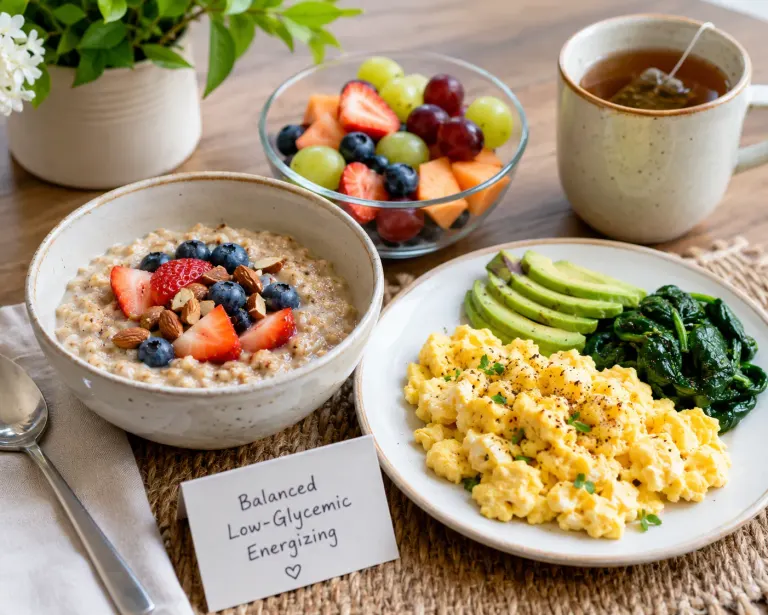
Meal composition and glycemic control: What you eat is as important as when. High-glycemic meals produce rapid glucose spikes followed by insulin-mediated drops, which can momentarily boost then later impair cognitive function. In one RCT of older type-2 diabetics, a high-GI breakfast (white bread) induced higher blood glucose peaks and worse delayed verbal memory and executive scores than a low-GI meal (pasta)[10]. Low-GI, fiber-rich carbs slow glucose rise, supporting steadier attention. Protein and healthy fats further modulate glycemia and prolong satiety. Practical composition rules: combine complex carbs + protein + fiber + healthy fat at each meal. For example, oatmeal with eggs, or chicken with vegetables and whole grain, will yield more sustained energy than a sugary cereal or white bread. Frequent small snacks of mixed nutrients (e.g. nuts+fruit, yogurt+berries) can prevent energy dips.
Portion size and caloric distribution: While total daily calories ultimately govern weight and energy balance, even distribution can aid focus. Front-loading more calories earlier (a hearty breakfast/lunch) and lighter dinner aligns with insulin sensitivity rhythms (higher in the morning). Some experts suggest a moderately larger breakfast and lunch, with dinner at least 3–4 h before bed, to prevent sleep disturbances. Large heavy meals can cause post-meal drowsiness, so moderate portions with balanced macros are ideal. In intermittent-fasting contexts, the majority of calories may come in 2–3 larger meals; this can be tolerable for cognition if glycemic control is maintained.
Hydration: Adequate water intake is essential. Even mild dehydration (~1–2% body weight loss) can impair alertness and mood. Workers report worse attention and more fatigue when dehydrated[11]. Aim for regular water intake (8–10 cups/day) and observe thirst cues. Include water or unsweetened beverages with meals and throughout the day; avoid excessive sugary drinks that can spike then crash blood sugar.
Caffeine timing: Caffeine (coffee, tea) can sharply improve alertness, vigilance and simple reaction times in non-sleep-deprived individuals[12]. For optimal effect without disrupting sleep, delay the first caffeine of the day ~60–90 min after waking (to ride out the natural cortisol peak)[13]. Use moderate doses (≈100–200 mg) mid-morning or early afternoon to counter the “post-lunch dip”, but avoid late-day caffeine to prevent insomnia. Note: individual sensitivity varies.

Sleep and circadian factors: Regular sleep (7–9 h/night) and stable wake times are foundational for energy. Circadian misalignment (shift work, late nights) amplifies glucose intolerance and cognitive lapses. Eating during the biological night (circadian low) can hurt performance and metabolism. Whenever possible, align meals to daylight hours. If working nights, small balanced snacks and caffeine during the shift are better than full meals (which can induce sleepiness).
Physical activity: Regular exercise improves metabolic health (insulin sensitivity, blood flow to brain) and can indirectly support steady energy. Post-meal walks (even 10 min) help blunt glucose spikes. However, intense workouts raise acute glucose needs; eat a small carb/protein snack before/after long exercise for sustained performance. Avoid heavy meals immediately before vigorous exercise to prevent GI discomfort.
Practical Meal Plans for a Workday
The table below outlines sample eating schedules (times and sample composition) for a typical 9–5 workday under three common patterns: (A) Three meals, no planned snacks; (B) Three meals + two healthy snacks; and (C) Time-restricted 8-hour window (e.g. 12 pm–8 pm). These are illustrative; portions should match individual needs.
| Time | Plan A: 3 Meals (Moderate intervals) | Plan B: 5 Meals (3+2) (Smaller, frequent) | Plan C: Time-Restricted (8h) (2–3 meals within window) |
|---|---|---|---|
| 7:00 AM | Breakfast: e.g. 2 eggs, spinach, 1 slice whole-grain toast, fruit. Rich in protein/fiber to prevent mid-morning crash. | Breakfast (smaller): 1 egg, ½ cup oatmeal with berries. Add water or tea. | Fasting: water/tea (hydrate) – no calories until eating window (e.g. 12 pm). |
| 10:00 AM | – | Morning snack: Greek yogurt + nuts & fruit. Provides protein and sustained energy[10]. | Optional: (hydrate) if needed. |
| 12:30 PM | Lunch: Grilled chicken salad with veggies and quinoa, plus avocado. Balanced protein+fiber carbs. | Lunch: Turkey sandwich on whole-grain bread + veggies + side salad. | Meal 1 (12:00): Large balanced meal – e.g. chicken stir-fry (veg + brown rice) + fruit. |
| 3:00 PM | – | Afternoon snack: Handful of nuts + piece of fruit (apple/pear). Keeps blood sugar steady. | Meal 2 (4:00): Mixed plate – e.g. salmon + sweet potato + broccoli. |
| 6:00 PM | Dinner: Baked fish, roasted vegetables, whole grains. Dinner lighter on high-GI carbs (e.g. swap rice for extra veggies) to aid evening focus and sleep. | Dinner (6:00): Bean chili with brown rice or whole-grain bread + salad. | Meal 3 (7:30–8:00): If needed (before 8 pm cutoff) – e.g. stir-fry with tofu/veg or a hearty soup + bread. |
| 8:00 PM | – (End eating by ~7 pm to allow digestion before bedtime) | Optional light snack (8:00): Cottage cheese/fruit or tea + whole-grain cracker if still hungry. | Fasting: switch to water/herbal tea. |
Notes: All meals/snacks should include a balance of protein, fiber, and healthy fats. Adjust portion sizes to hunger and energy needs. For shorter schedules (like Plan C TRE), skipping breakfast is counterbalanced by a nutritious brunch; some people thrive on 2 meals (e.g. 12pm and 7pm). Others may add a small third meal or snack within the window.
Population-Specific Considerations
- Young Adults: Generally robust metabolism; can tolerate 3–5 meals. Importance of breakfast is often linked to school/work performance. For college students or variable schedules, carrying a portable snack (e.g. nuts, yogurt) can mitigate lapses in study focus. Adequate hydration is critical (especially after exercise).
- Middle-Aged Adults: Hormonal changes (e.g. perimenopause) may slightly impair glucose tolerance; favor moderate-carb breakfasts and regular meals. If busy, a structured meal plan (e.g. as above) with water/caffeine breaks helps maintain alertness.
- Older Adults: May have blunted hunger cues and slower digestion. Eating 3 smaller meals vs 2 large meals can prevent post-meal lethargy. Chew foods thoroughly and stay hydrated. Beware hypoglycemia if on diabetes meds – test blood sugar and consider 4–5 small meals if needed. The Chinese cohort study found people (>60 y) practicing strict ~10 h TRE had worse attention scores[6]; thus older adults should be cautious with aggressive fasting.
- Insulin-Resistant/Diabetics: Focus on glycemic control. Aim for consistent carb intake at meals, with low-GI choices (e.g. whole grains, legumes) and plentiful fiber/protein to slow absorption[10]. Frequent monitoring is key. Small frequent meals often help avoid spikes. In some trials, modest intermittent fasting (e.g. 14:10) improved insulin sensitivity and some cognitive measures[5], but individual tolerance varies. Medical supervision is recommended before starting TRE or reducing meal frequency if diabetic.
- Shift Workers: When awake at night, carbohydrate metabolism is less efficient; prefer protein/fat-rich snacks on night shift (to fuel brain without large glucose swings). If possible, eat largest meal during daylight. Strategic caffeine and naps can offset night-time drowsiness, but late caffeine may impair daytime sleep.
- Athletes/Physically Active: Increase protein and carb around workouts. E.g. a pre-exercise snack (fruit+nuts) and a post-exercise meal (protein shake/meal) sustain performance without causing slumps. Adjust snacks or meals on heavy training days to avoid energy deficits.
Mechanisms Linking Meals to Glucose, Insulin, and Cognitive Performance
The brain relies on glucose, so blood sugar dynamics mediate the food–focus link. The flowchart below outlines how meal patterns influence cognition:
flowchart LR
Meal["Intake of mixed nutrients (carbs, protein, fat, fiber)"] --> Glycemic["(Blood glucose rise)"]
Glycemic --> Insulin["Insulin release by pancreas"]
Insulin --> GlucoseUptake["Glucose uptake by cells for energy"]
Glycemic -->|High-GI spike| Spike["Glycemic spike"]
Spike --> Dip["Rapid drop in blood glucose"]
Dip --> Slump["Fatigue, reduced attention"]
Insulin -->|Excess insulin| Hypoglycemia["Transient hypoglycemia"]
Hypoglycemia --> Slump
Meal --> FiberProtein["(Fiber/protein slow absorption)"]
FiberProtein --> StableGlucose["Gentle glucose curve"]
StableGlucose --> SteadyFocus["Stable insulin, sustained alertness"]
- Glucose and Insulin: High-GI meals cause a quick spike in blood sugar followed by an insulin surge, often overshooting to induce a “crash” below baseline – leading to drowsiness and poor concentration. Repeated spikes (from frequent sugary snacks) can drive insulin resistance over time. In contrast, low-GI, fiber/protein-rich meals yield a gradual glucose rise and steady energy availability[10].
- Cerebral Fuel: During hypoglycemia (fasting or post-insulin), the brain struggles to get enough glucose, impairing memory and executive functions. Studies show verbal and working memory tests worsen after large glucose swings[10]. Conversely, a steady supply supports continuous synaptic activity and neurotransmitter balance.
- Hormones and Circadian: Meal timing resets peripheral clocks (liver, gut). Eating late at night desynchronizes the brain’s clock, impairing alertness. Cortisol (stress hormone) follows a morning peak; caffeine or meals that elevate cortisol prematurely may interfere with natural alertness rhythms. Aligning meals to the body’s active phase maximizes metabolic and cognitive alignment.
- Neurochemicals: Nutrients also affect neurotransmitters. Protein-rich foods provide tyrosine and tryptophan (precursors for dopamine and serotonin), which modulate focus and mood. Dehydration reduces blood volume and alters electrolyte balance, which can increase brain excitability thresholds (i.e. you feel sluggish)[11].
Research Gaps and Uncertainties
- Lack of Large RCTs: Most evidence comes from small acute trials or observational cohorts. There are few long-term randomized studies directly comparing specific meal frequencies or timings on adult cognition.
- Heterogeneity of Studies: “Meals” and “snacks” are defined variably. Effects may differ by food quality, population (healthy vs metabolic disease), and cognitive tasks used. For example, children vs adults, or young vs elderly, may respond differently.
- Individual Variation: Genetics, gut microbiota, and lifestyle (stress, sleep) interact with diet. What works for one person’s focus may not for another. Personal experimentation (with guidance) is often needed.
- Long-term versus Acute: Acute post-meal effects are better studied than chronic patterns. It’s unclear whether habitual meal frequency (eating often vs rarely) has lasting cognitive impact beyond weight/metabolic changes.
- Intermittent Fasting Nuances: Preliminary data on TRE and cognition are mixed. The Chinese cross-sectional study found an 8–10 h window was associated with worse cognitive performance in elders[6], while an Italian trial saw cognitive benefits with 14:10 IF[5]. Long-term effects and mechanisms (e.g. role of weight loss vs fasting per se) remain uncertain.
Given these gaps, recommendations should be tailored: prioritize well-researched habits (regular meals with protein/fiber, hydration, sleep) and remain flexible. Clinical consultation is advised before major dietary shifts (e.g. prolonged fasting) in older, diabetic, or medically vulnerable individuals.
References: Key findings are drawn from recent trials and reviews. For example, higher meal frequency correlating with cognition[1]; breakfast benefits on memory/attention[2]; low-GI meals aiding diabetic cognition[10]; and intermittent fasting impacts[14][6]. (See citations above for details.)
Sources
[1] Eating Frequency, Timing, and Duration in Relation to Cognitive Performance and Alzheimer Disease Biomarkers in Adults - ScienceDirect
[2] [3] A systematic review of the effect of breakfast on the cognitive performance of children and adolescents | Nutrition Research Reviews | Cambridge Core
[4] [10] Better cognitive performance following a low-glycaemic-index compared with a high-glycaemic-index carbohydrate meal in adults with type 2 diabetes | Diabetologia | Springer Nature Link
[5] [14] Does Energy Restriction and Loss of Body Fat Account for the Effect of Intermittent Fasting on Cognitive Function? | MDPI
[6] Time restricted feeding is associated with poor performance in specific cognitive domains of Suburb-Dwelling older Chinese | Scientific Reports
[7] The Influence of Meal Frequency and Timing on Health in Humans: The Role of Fasting | MDPI
[8] Frequency of Meals and/or Snacking and Energy Intake: A Systematic Review [Internet] - PubMed
[9] Altering meal timing to improve cognitive performance during …
[11] Effects of Dehydration and Rehydration on Cognitive Performance …
[12] Effects of Caffeine on Cognitive Performance, Mood, and Alertness …
[13] Should You Delay Morning Caffeine? - Oura Ring